


 Written by Royalppv
A lot of people shop for 4k iptv the same way they shop for a TV – they see the label, assume better picture, and expect everything to look sharper right away. That is not how it works. A 4K stream depends on the provider, the app, the device, your internet speed, and the source itself. If one part falls short, you are paying for a premium feature without getting the premium experience.
That is why smart buyers ask a different question first. Not “Does it say 4K?” but “Can this service actually deliver stable 4K when I want to watch live sports, movies, and PPV without buffering?” That question gets you much closer to the right IPTV service.
4K IPTV means television content delivered over the internet at ultra high-definition resolution, typically 3840 x 2160. On paper, that gives you a much sharper image than HD or Full HD. In real use, though, picture quality depends on bitrate, source quality, compression, and stream stability.
A badly compressed 4K stream can look worse than a well-delivered 1080p stream. That matters if you are watching fast action, especially live sports and PPV events where motion clarity is part of the experience. If the stream drops frames, buffers, or crushes detail, the 4K label means very little.
This is where many low-quality providers lose people. They advertise premium resolution, but the service cannot hold up when demand spikes. A proper IPTV setup needs enough server capacity, strong anti-freeze performance, and solid delivery across peak hours, not just a nice-looking promise on a sales page.
If you are replacing cable, you are not only looking for more channels. You want better value and fewer compromises. That is where 4K IPTV has real appeal.
A strong service can put live TV, sports, international channels, movies, series, and PPV into one IPTV subscription while also giving you access on Firestick, Smart TVs, Android boxes, phones, tablets, and PCs. That is a very different offer from traditional cable, where pricing climbs quickly and flexibility is limited.
For households in Canada and across North America, the appeal is simple. Canada’s broadcasting is regulated by the CRTC. Watch more and pay less. Get more content categories in one place. Avoid locking yourself into expensive hardware and long contracts. But if the stream quality is weak, the savings stop feeling like a win. Reliability is the part that decides whether IPTV is a real upgrade or just a cheap experiment.
The best way to evaluate a provider is to look past the channel count for a moment. Big numbers sound impressive, but quality of delivery matters more than quantity when you are paying to watch live events and premium content.
Start with stream stability. If a provider talks about anti-freeze technology, uptime, and zero-buffering performance, that is a good sign – but it still needs to be proven. A free trial helps here because it lets you test actual performance on your own connection, on your own device, at the hours you actually watch.
Next, check device compatibility. A good 4K IPTV service should work across the devices people already use every day. Firestick remains a popular option because it is affordable and simple to install. Smart TVs and Android boxes are also common for living room viewing. If setup is overly technical or support is slow, many users will give up before they even get started.
Then look at content depth. Not every customer wants the same thing. Some want sports and PPV. Others care more about local news, kids’ programming, or international channels. If a service offers broad coverage plus VOD, that gives it a better chance of replacing both cable and multiple streaming subscriptions at once.
This is where expectations need to stay realistic. Even the best provider cannot overcome a weak home network.
For 4K IPTV, you generally want stable high-speed internet, not just a fast speed test result once in the afternoon. Peak-hour consistency matters. If several people in your home are gaming, streaming, and downloading at the same time, the line can get crowded. Wi-Fi placement also matters more than many people realize. A strong service on a weak wireless signal still feels like a weak service.
Wired connections usually give the most reliable result for 4K streaming. If Ethernet is not practical, a strong router and good device placement can still make a major difference. The point is simple: buffering is not always the provider’s fault, but a quality IPTV provider should still help you troubleshoot it instead of leaving you guessing.
The device you use can make the difference between a smooth setup and a frustrating one. Some TVs advertise 4K beautifully but have underpowered software. Some low-cost streaming devices work fine for HD but struggle when pushed harder.
Firestick is popular because it balances price and ease of use. Android boxes can offer more flexibility and stronger performance, especially for users who want more control. Smart TVs are convenient because there is no extra hardware on the shelf, but app availability and performance can vary by brand.
If you want the simplest path, choose a device known for stable IPTV app support and regular updates. If you want the strongest performance, especially for heavy daily viewing, a more capable device may be worth the extra cost. The right answer depends on how often you watch, what you watch, and how much effort you want to put into setup.
Canadian viewers often have a slightly different checklist. International content matters more for many households, especially for multilingual families who want access to channels from more than one region. Sports coverage matters too, particularly if you are trying to keep up with major events without stacking costly subscriptions.
That is why an IPTV service needs more than just high resolution. It should offer a broad channel selection, reliable EPG support, good VOD depth, and customer support that responds when something needs fixing. For many users, the real win is not just 4K quality. It is replacing several bills with one service that covers live TV, movies, series, and event viewing in one place.
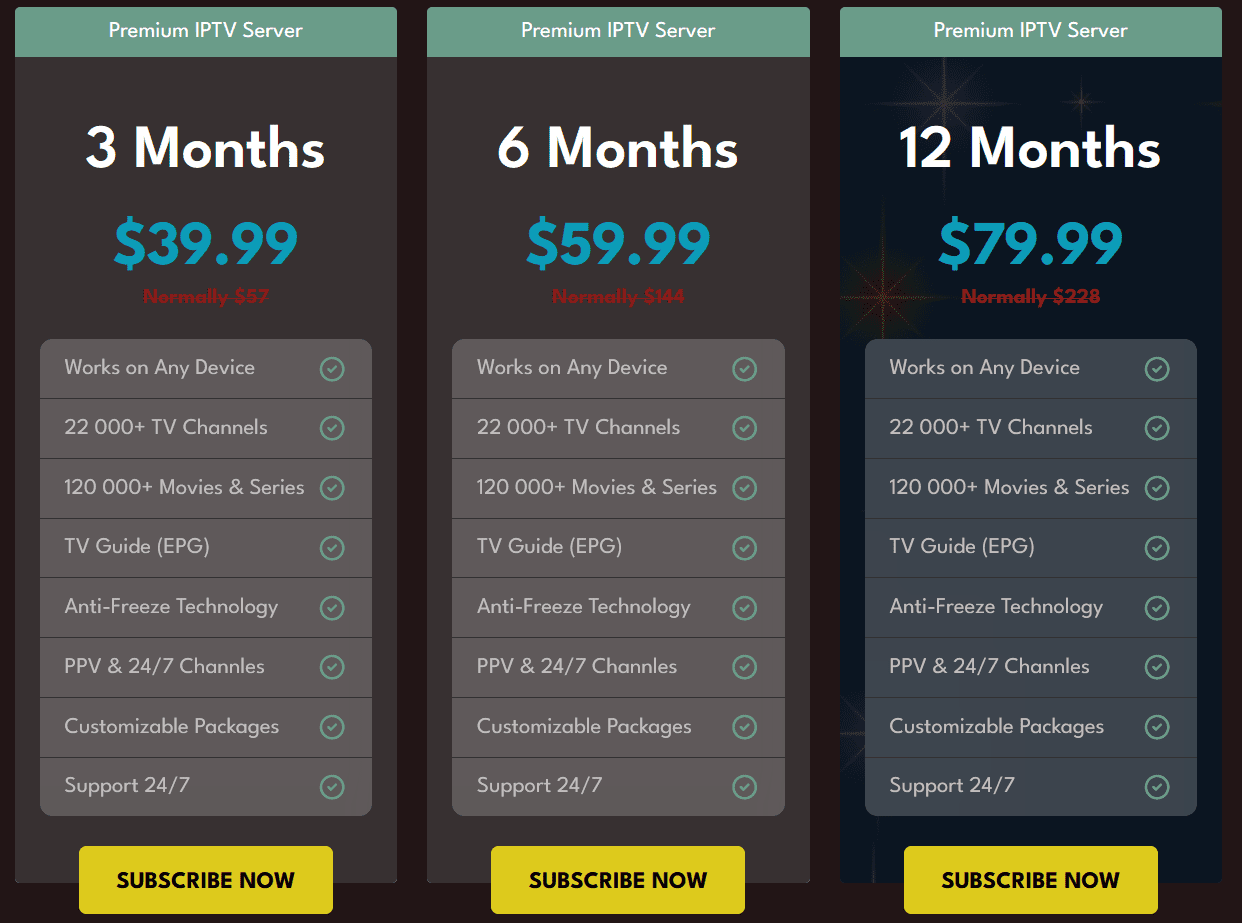
A provider like RoyalPPV is clearly built around that value argument. The appeal is straightforward: affordable plans, broad content access, free trial options, an IPTV reseller program, and support that helps people get running fast. For buyers comparing services, that combination is often more persuasive than inflated technical claims.
The first mistake is assuming all content is available in true 4K. It is not. Some channels and events may stream in HD or Full HD depending on the source. A trustworthy service should still deliver those streams cleanly, but expectations should match reality.
The second mistake is choosing on price alone. Low pricing is great, but not if it comes with constant freezing, poor support, or channels that fail when a big match starts. Cheap without reliability gets expensive fast because you end up replacing the service anyway.
The third mistake is skipping the trial. This is one of the easiest ways to avoid disappointment. Test the service on your actual setup. Check live sports, local channels, movies, and peak evening performance. If it works well there, you have a much clearer idea of what you are buying.
Yes, if you care about picture quality and you choose a provider that can actually support it. No, if you are expecting every single stream to be true 4K regardless of source, device, or internet conditions.
The best reason to choose 4K IPTV is not the badge itself. It is the overall viewing experience: sharp picture, stable playback, broad content access, and better value than cable. When those pieces line up, IPTV becomes a practical upgrade, not just a cheaper workaround.
If you are shopping carefully, keep your standards high. Look for strong uptime, easy setup, wide device support, and a trial that lets the service prove itself. A good 4K IPTV service should make your entertainment simpler, not more complicated.
The smart move is to test before you commit, trust performance over hype, and choose the option that still works when everyone else logs on at the same time.

Explore the Best IPTV Service with Global Channels – Watch Thousands of Live TV Channels, PPV Events, Movies, & TV Shows Anytime, Anywhere.
© 2011-2026 RoyalPPV, All rights reserved
