
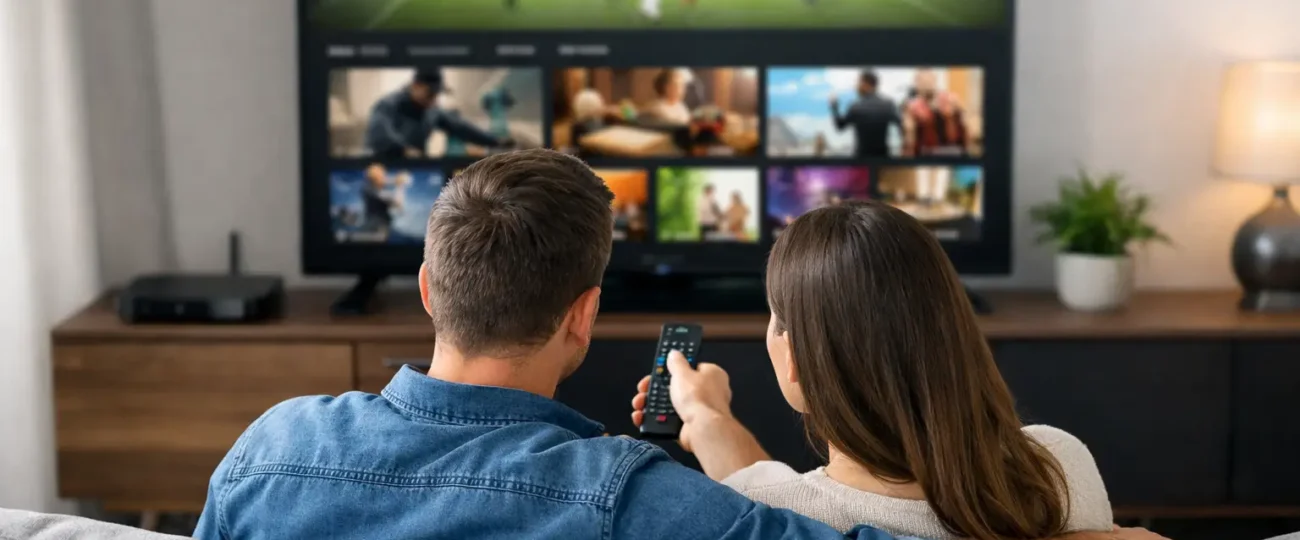


 Written by Royalppv
Cable bills usually look manageable until you add sports, movies, international channels, and one more streaming app your household “needs.” That is exactly where an IPTV trial earns its value. Before you pay for a month or a year, you get a real-world look at channel quality, device compatibility, streaming stability, and whether the service actually fits the way you watch.
For most people, the trial is not just a free sample. It is the fastest way to separate a serious provider from one that looks good on a sales page but struggles when the stream starts. If you want live TV, PPV, movies, and series in one place without gambling your money, a proper test run matters.
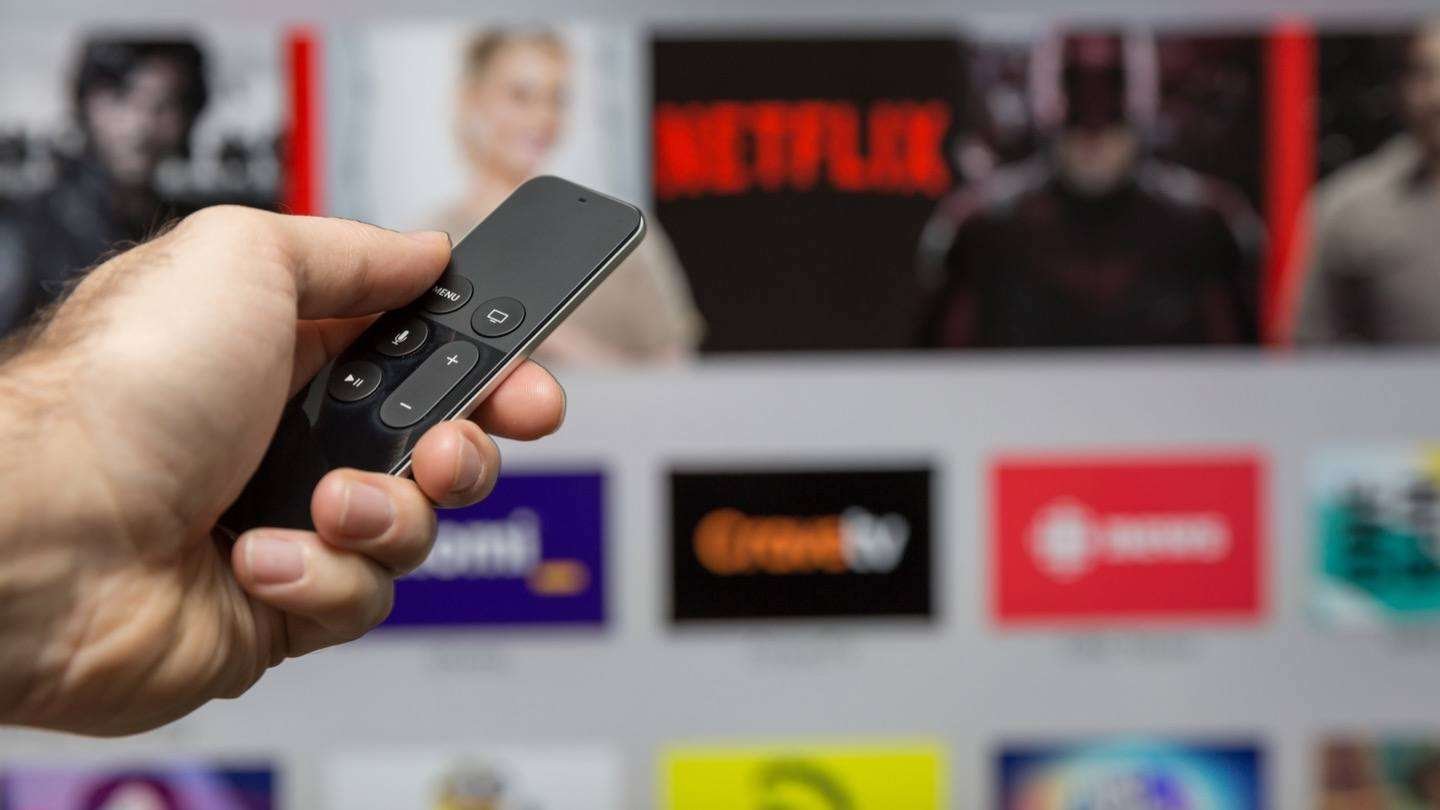
An IPTV service can promise 22,000+ channels, massive VOD libraries, anti-freeze technology, and easy setup on every device you own. The promise is easy. The proof is what happens when you open a live sports event on a busy evening, switch between channels, search for a movie, and check whether the app responds quickly.
That is why a trial matters more here than in many other subscriptions. You are not just judging content quantity. You are judging performance under normal home conditions, on your own Wi-Fi, with your own devices, at the times you actually watch. A service that looks perfect at noon can behave very differently during prime time.
An IPTV trial also helps with trust. Buyers are right to be skeptical. If you have been burned by buffering, dead channels, poor support, or confusing setup before, you should not be asked to commit blindly. A provider that offers a free trial and stands behind the first day of service removes a lot of that friction.
During an IPTV trial, the biggest mistake people make is opening a few random channels, saying “looks fine,” and making a purchase. A better approach is to test the service the same way your household will actually use it.
If sports nights matter, test during sports hours. If your family watches news in the morning and series at night, test both. You want to see whether streams stay stable when demand is high. Fast loading, clean playback, and smooth channel switching are not luxury features. They are the baseline.
Look at local and international channels if both matter to you. For many viewers in Canada, that means checking North American content along with channels from Europe, Latin America, the Middle East, or Asia. The right service should make that mix easy, not frustrating.
A giant list of channels means very little if the feeds are unreliable or poor quality. During your trial, open the channels you truly care about and watch for a few minutes. Check sharpness, frame stability, audio sync, and loading time.

A provider can advertise huge numbers, but the real question is simpler: do your must-have channels work well enough that you would happily replace cable with this?
Do not stop at live TV. Search for movies and series you would actually watch. Browse categories. Test playback. See whether the library feels organized or messy.
A strong VOD section should be easy to search and quick to start. If every title takes too long to load or the app feels clunky, that will become annoying very quickly after you subscribe.
Many services say they work on Firestick, Smart TVs, Android boxes, phones, tablets, and PCs. That is good, but compatibility on paper is not the same as a smooth experience in your living room.
Try the service on the device you will use most. If your main screen is a Firestick, do not judge the entire service from your phone. If you want a family-friendly setup on a Smart TV, make sure the interface is simple enough for everyone at home to use.
A proper electronic program guide saves time. It sounds small until you live without it. During the trial, see whether the guide loads correctly, whether channel names are clear, and whether finding current and upcoming shows feels simple.
Good navigation is one of those features people ignore until it is bad. Then it becomes impossible to ignore.
An IPTV trial is not only about finding reasons to buy. It is also about spotting reasons to walk away.
If channels take too long to load, freeze often, or fail completely during peak viewing times, that is a warning. If support is slow before you have paid, expect even less urgency after. If setup instructions are vague and nobody helps when you get stuck, the problem is not your device. It is the service.
Another red flag is a trial that feels artificially limited in a misleading way. A provider should give you enough access to judge the service honestly. If the experience is too restricted to test live TV, VOD, and device performance properly, you are still buying blind.
You should also be cautious with claims that sound too polished but never get backed up by actual performance. “Best” means very little if the basics are weak.
Once the IPTV trial ends, the right question is not “Was it free?” The right question is “Did it give me enough confidence to replace what I am paying for now?”
For many households, value comes from consolidation. Instead of paying separately for cable, sports add-ons, movie platforms, and international packages, they want one lower monthly price that covers everything in one place. If the trial shows that live channels, PPV access, VOD, and international content all work the way you need, that is where the savings become real.

It also depends on your viewing habits. A single user who watches mostly weekend sports may judge value differently from a multilingual household that needs kids’ content, news, local channels, and programming from multiple regions. The trial should help you answer that based on your own routine, not generic marketing language.
During an IPTV trial, a lot of buyers focus on content and forget support until something goes wrong. That is backwards. Even a strong service becomes frustrating if help is hard to reach.
During an IPTV trial, pay attention to response time and clarity. If you ask a setup question, do you get a direct answer? If there is a playback issue, does someone actually try to solve it? Reliable support is part of the product.
This matters even more for users who are new to IPTV. Not everyone wants to spend an hour tweaking settings or searching forums. A good provider keeps setup simple and backs it up with real assistance. That confidence is a major reason people switch from traditional TV in the first place.
In many cases, yes – if you use it properly. A 24-hour window is enough to test channel loading, playback quality, VOD access, navigation, and at least one peak viewing period. You do not need a week to spot the basics.
That said, a shorter trial puts pressure on you to test the right things quickly. Plan ahead. Use the device you care about most. Open the channels you never want to lose. Check one live event, one movie, and the guide. If those core pieces perform well, you already have a strong signal.
A provider like RoyalPPV makes this easier by pairing a 24-hour free trial with a first-24-hours money-back guarantee. That combination lowers the risk and gives buyers room to verify the service under real conditions.
Honestly, almost everyone. It is especially useful for people leaving expensive cable, households replacing multiple streaming subscriptions, sports fans who cannot tolerate buffering, and multicultural viewers who need consistent access to channels from different countries.
It is also smart for anyone comparing providers. On the surface, many services sound the same. The trial is where differences show up fast – in speed, stability, channel quality, support, and ease of use.
If you are serious about cutting costs without giving up content, never skip the test run. A good IPTV service should not need blind trust. It should earn the sale by working well from the first login.
The best time to be skeptical is before you pay. Use the trial, test hard, and make the service prove it belongs in your home.

Explore the Best IPTV Service with Global Channels – Watch Thousands of Live TV Channels, PPV Events, Movies, & TV Shows Anytime, Anywhere.
© 2011-2026 RoyalPPV, All rights reserved
