



 Written by Royalppv
You notice it when the monthly charges start stacking up. One app for movies, another for sports, another for kids, another for live TV, and somehow you are still missing channels you actually watch. That is where IPTV versus streaming services becomes a real buying decision, not just a tech debate. For many households in Canada, the question is simple: do you want a long list of separate apps, each with its own price and limits, or do you want one service that puts live TV, sports, international channels, movies, series, and PPV in one place? The answer depends on how you watch, what you watch, and how much you are willing to pay every month.
Streaming services usually mean app-based platforms focused on on-demand content. You subscribe to one or more services and watch their library of shows, films, and sometimes live channels. It is familiar, easy to recognize, and heavily advertised. IPTV works differently. It delivers television over the internet, often combining live channels, video on demand, catch-up features, sports coverage, and PPV events inside a single subscription. Instead of building your entertainment around separate apps, you get a broader TV-style experience with internet delivery and more content under one roof. That difference matters because these two options solve different problems. Streaming services are built for people who mainly want exclusive originals and curated libraries. IPTV is built for viewers who want volume, live television, flexibility, and better overall value.

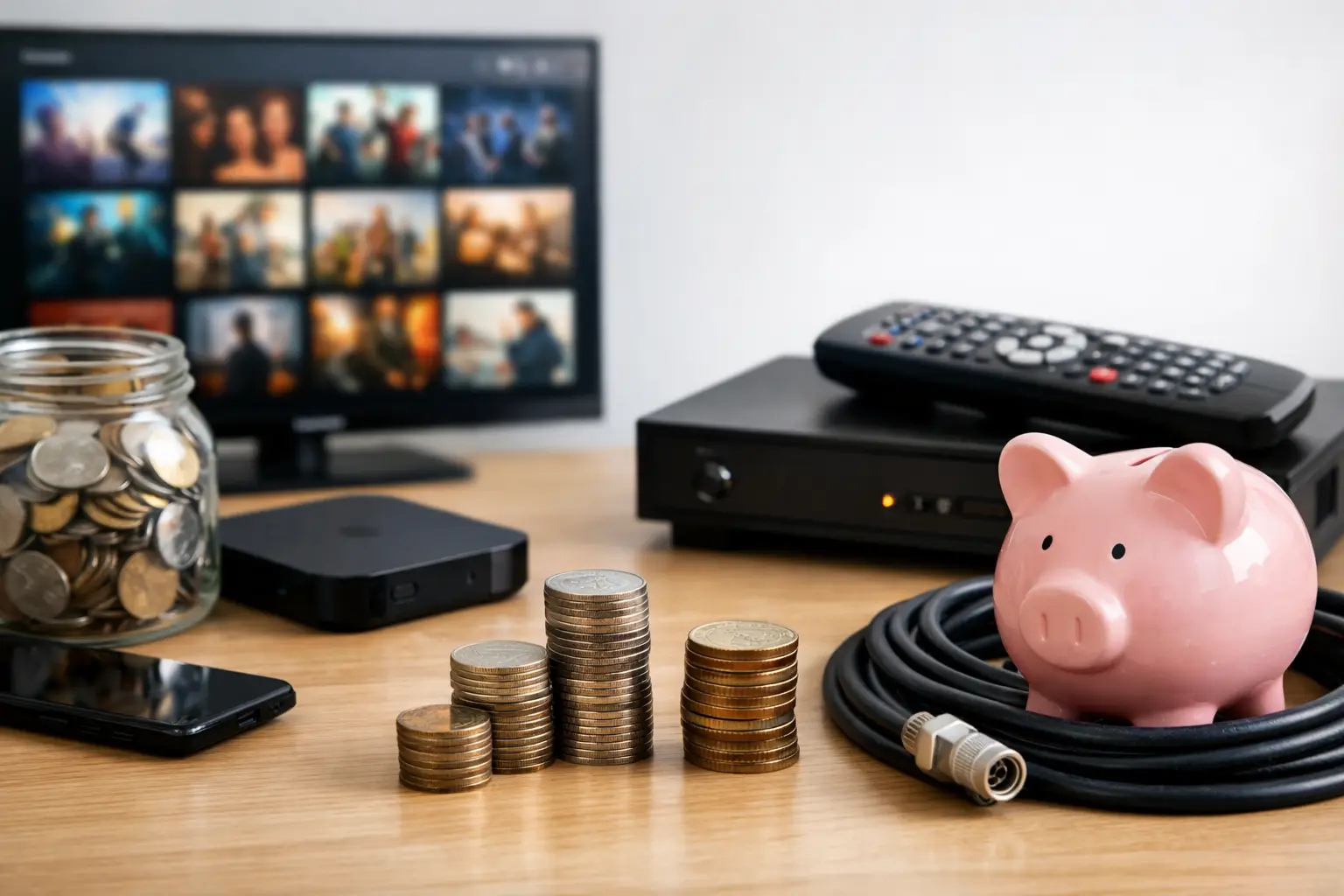
In IPTV versus streaming services, this is usually the section that settles the argument. Most major streaming platforms look affordable on their own. The problem starts when you add them together. A household that wants films, premium series, live sports, kids content, and local or international programming often ends up paying for several subscriptions at once. Add a live TV app on top, and the bill starts looking a lot like old cable pricing. IPTV tends to appeal to price-conscious viewers because it bundles far more into one plan. Instead of paying separately for entertainment, sports, PPV, and international channels, you can often access them through a single monthly IPTV subscription. For families, sports fans, and multicultural households, that can mean a major drop in monthly costs without giving up variety. There is a trade-off, though. Not every IPTV provider delivers the same quality. Price only matters if the service is stable, easy to use, and supported properly. A cheap plan with poor uptime is not a bargain. That is why reliability, support, and trial options matter just as much as sticker price.
In IPTV versus streaming services, if you mainly watch on-demand dramas and a few films on the weekend, traditional streaming apps may be enough. But if you care about live sports, news, local-style channel surfing, or international TV feeds, the gap becomes much clearer. Most streaming services are still built around libraries, not full live channel lineups. Some offer live content, but it is often limited, region-restricted, or locked behind premium packages. If your viewing habits still revolve around flipping through channels, catching live events, or watching news as it happens, those app-based platforms can feel fragmented fast compared with IPTV technology. IPTV is much stronger in this area. It is designed around live channel access from the start. That includes sports, news, entertainment, and international broadcasting that many app-based services either do not carry or divide across multiple subscriptions. For viewers who want a cable replacement without cable pricing, this is where IPTV usually pulls ahead.
When you compare IPTV versus streaming services, a single streaming platform may have a strong library, but it is still one library. Content rotates, rights expire, and some shows disappear from one app only to show up on another. If you want broad access, you usually need multiple memberships. With IPTV, the value is in range. One plan can include live channels from different countries, a large video-on-demand catalogue, sports packages, PPV, and specialty channels that are hard to find in one place elsewhere. That is especially useful for bilingual, multilingual, or internationally connected households in Canada that want more than mainstream North American content. When weighing IPTV versus streaming services, this is not just about quantity for the sake of it. It is about convenience. When your content is spread across too many apps, you spend more time searching, switching, and paying than actually watching. A stronger all-in-one setup removes that friction.
In IPTV versus streaming services, sports viewers usually feel the pain first. One league is on one app, another is on a different service, local coverage sits somewhere else, and PPV events are sold separately. By the time you piece together everything you need, the cost can be frustrating. That is one of the strongest arguments in favour of IPTV. A well-built IPTV service can combine sports channels, live events, and PPV access in one package. For fans who follow multiple leagues or want global sports coverage, that is a big upgrade over chasing separate subscriptions. Of course, performance matters here more than anywhere. Sports are live. If a service buffers during a match or cuts out during a PPV event, the experience falls apart. That is why buyers should focus on providers that emphasize anti-freeze performance, stable uptime, and responsive support instead of just promising huge channel counts.
In IPTV versus streaming services, standard apps have one big advantage: they are familiar. Most people already know how to install an app, log in, and start watching. The interface is polished, and the learning curve is low. IPTV used to intimidate some buyers, but that has changed. With better app compatibility across Firestick, Smart TVs, Android boxes, phones, tablets, and PCs, setup is now much more straightforward than many people expect. A solid provider should make the process simple and back it with real support if anything goes wrong. For less technical users, that support can make the difference between a good experience and a frustrating one. If a provider offers clear setup steps, a free trial, and fast help when needed, the barrier to entry drops fast.
This is the part people often overlook when comparing IPTV versus streaming services. Mainstream streaming apps benefit from brand recognition, but that does not automatically mean they are better for every use case. Reliability depends on infrastructure, app performance, internet speed, and how the service handles peak demand. A quality IPTV provider should be judged on consistency. Does it buffer? Does it hold up during big matches? Is the EPG accurate? Does support answer quickly? Those practical details matter more than marketing. This is also where trials and short refund windows help. If a provider is confident in performance, it should let you test the service before making a long commitment. That reduces risk and gives you a clearer picture of whether the platform fits your devices, internet connection, and viewing habits.
If you want live TV, sports, PPV, international channels, and on-demand content in one place, the IPTV versus streaming services comparison usually favours IPTV. It fits households trying to replace expensive cable without replacing it with five or six separate apps. It also makes sense for viewers who want more channels, more flexibility, and better cost control. For many homes, especially those balancing budgets, shared family viewing, and different language preferences, IPTV simply covers more ground for less money. That is why services like RoyalPPV are built around one clear promise: watch more and pay less, without contracts and without the usual content gaps.
If you only watch a handful of exclusive series, do not care about live channels, and prefer a very simple app experience, standard streaming services may still be enough. They are also a reasonable fit for viewers who are loyal to specific originals and do not mind paying for separate platforms. But once your entertainment needs expand beyond that – especially into live sports, news, global channels, and PPV – the convenience starts to fade and the costs start to rise. In the end, IPTV versus streaming services is not really about which format sounds more modern. It is which one gives you the content you actually watch at a price that still makes sense after month three, month six, and month twelve. If your current setup feels expensive, scattered, and incomplete, that is usually your answer.
Boiling down IPTV versus streaming services, the winner depends on how you actually watch. If your week revolves around live sports, news, and channels from more than one country, IPTV versus streaming services almost always lands in IPTV’s favour on both value and coverage. If you only chase a couple of exclusive originals, standard apps still hold up. The honest way to close the IPTV versus streaming services debate is to add up every subscription you pay today, compare it to one all-in-one plan, and let the monthly total make the decision for you.

Explore the Best IPTV Service with Global Channels – Watch Thousands of Live TV Channels, PPV Events, Movies, & TV Shows Anytime, Anywhere.
© 2011-2026 RoyalPPV, All rights reserved
