



 Written by Royalppv
Nothing kills movie night or a live fight faster than a spinning circle on the screen. If you are shopping for an IPTV no buffering service, you are not really looking for a buzzword. You want live TV that starts fast, stays stable, and does not fall apart right before kickoff, puck drop, or the main event.
That is the real standard. Not how many channels a provider lists on a sales page, but how well the service performs when thousands of people are trying to watch the same thing at the same time.
A real IPTV no buffering service is built around stability first. That means the provider has to do more than offer a big channel count. It needs strong servers, smart traffic handling, and anti-freeze technology that keeps streams moving even during peak hours.
This is where a lot of buyers get burned. They see a huge content promise, a low monthly price, and assume every IPTV service works the same way. It does not. Some services overload their infrastructure, oversell access, or rely on weak delivery networks. The result is familiar – channels that open slowly, random freezing, and streams that fail right when the content matters most.
If your goal is to replace cable, performance has to be treated like the product, not just a feature line.
Buffering is not always caused by one thing. Sometimes it is the provider. Sometimes it is the device in your living room. Sometimes it is your internet setup. Usually, it is a mix.
On the provider side, the biggest problems are overloaded servers, weak stream routing, poor bitrate management, and limited capacity during major sports and PPV events. A provider can advertise thousands of channels, but if the backend is weak, that volume does not help you.

On the user side, common issues include slow Wi-Fi, crowded home networks, outdated apps, and underpowered devices. A cheap streaming stick on weak wireless can struggle even if the service itself is solid. That does not mean the service is bad, but it does mean setup matters.
The honest answer is simple – no provider can control your entire home network. But the best ones do reduce buffering risk dramatically by building for demand, supporting multiple devices properly, and offering fast support when something needs attention.
If you want fewer headaches, pay attention to the signals that separate serious providers from risky ones. Freezing issues usually show up long before you buy if you know what to check.
A free trial helps because it lets you test channel loading time, stream quality, and overall stability on your own device. A short refund window also matters. It shows the provider is confident enough to let the service prove itself instead of locking you in.
You should also check whether the service supports the devices people actually use every day – Firestick, Smart TVs, Android boxes, phones, tablets, and PCs. Broad compatibility is not just about convenience. It usually tells you the provider has spent time making the service usable for real households, not just technical hobbyists.

EPG support is another practical sign. It makes the service easier to use, especially for families replacing cable. It is a small detail, but serious IPTV providers usually get the basics right.
Then there is support. If a provider claims no buffering and offers no real help when setup goes wrong, that promise does not mean much. Fast, around-the-clock support is one of the clearest trust signals in this category.
Every buyer wants the same thing – low price, huge content selection, and perfect reliability. The reality is that there is always a balance.
Rock-bottom pricing can be attractive, but if it comes with weak infrastructure, you usually pay for it in frustration. On the other hand, expensive does not automatically mean better. The goal is value – stable streaming, broad access, and support at a price that still beats traditional cable and stacked app subscriptions.
That is why many households in Canada and the USA are moving toward IPTV. They are tired of paying premium cable prices for fewer channels, less flexibility, and separate bills for sports, movies, and on-demand content. A strong IPTV option can simplify all of that. But only if the service stays reliable when people actually want to watch.
Even the best IPTV service performs better in a clean setup. If you want the smoothest result, start with your internet connection. A stable broadband connection is more important than chasing the highest possible speed number. Consistency beats spikes.
Whenever possible, use wired Ethernet instead of Wi-Fi, especially on a main television. If you must use Wi-Fi, place your router well, reduce interference, and avoid packing too many heavy-use devices onto the same band during live viewing.
Device quality matters too. Older boxes and overloaded sticks can lag, crash, or struggle with high-demand streams. Updating your app, restarting your device regularly, and clearing background clutter can make a noticeable difference.
It is also smart to test the service at the times you care about most. A stream that works fine at noon may behave differently during a major Saturday night event. That is exactly why a trial period matters.
A provider can look great when you are checking random entertainment channels on a weekday afternoon. The real test comes when demand spikes.
Live sports, championship fights, and major PPV events expose weak services quickly. That is when overloaded systems start freezing, delaying, or dropping users entirely. If a provider can hold up during those moments, that is a much better sign than a polished homepage or a long feature list.
For viewers in Canada and the USA, this matters a lot. Sports are often the reason people leave cable in the first place, but they still expect the same reliability on game day. If your service cannot handle peak traffic, you are not replacing cable. You are replacing one bill with a new headache.
The strongest IPTV offers are not just about channel volume. They combine reliable live TV, deep VOD libraries, international content, easy setup, and support that is available when users need it.
For many households, the appeal is obvious. One subscription can bring together local and international channels, movies, series, sports, news, and PPV without locking the customer into long contracts or premium cable pricing. That is a practical win, especially for families trying to cut costs without cutting entertainment.
When a provider also offers anti-freeze technology, broad device support, trial access, and a money-back window, the offer becomes easier to trust. It reduces the risk for skeptical buyers who have tried poor services before and do not want another disappointment.
This is where RoyalPPV fits the market well. The focus is not just on offering more. It is on giving customers in Canada and the USA a lower-cost cable alternative with strong uptime, broad compatibility, and support that helps people get started fast.
Not always. If your home internet is weak or unreliable, no IPTV provider can completely fix that. If you want a completely hands-off setup and never want to troubleshoot a device, traditional TV may still feel simpler.
But for many people, the trade is worth it. You get far more content, more device freedom, no long-term contract pressure, and a lower monthly cost. For multilingual households, sports fans, and anyone tired of paying for separate apps and cable add-ons, IPTV can be the smarter move.
The key is choosing a provider that treats buffering as a real customer problem, not a line in an ad.
If you are serious about switching, do not get distracted by giant promises alone. Test the service, check how it performs during busy hours, and make sure the provider backs its claims with support, trial access, and real stability. When an IPTV no buffering service is built properly, you feel it right away – faster loading, fewer interruptions, and a viewing experience that finally makes cable look overpriced.
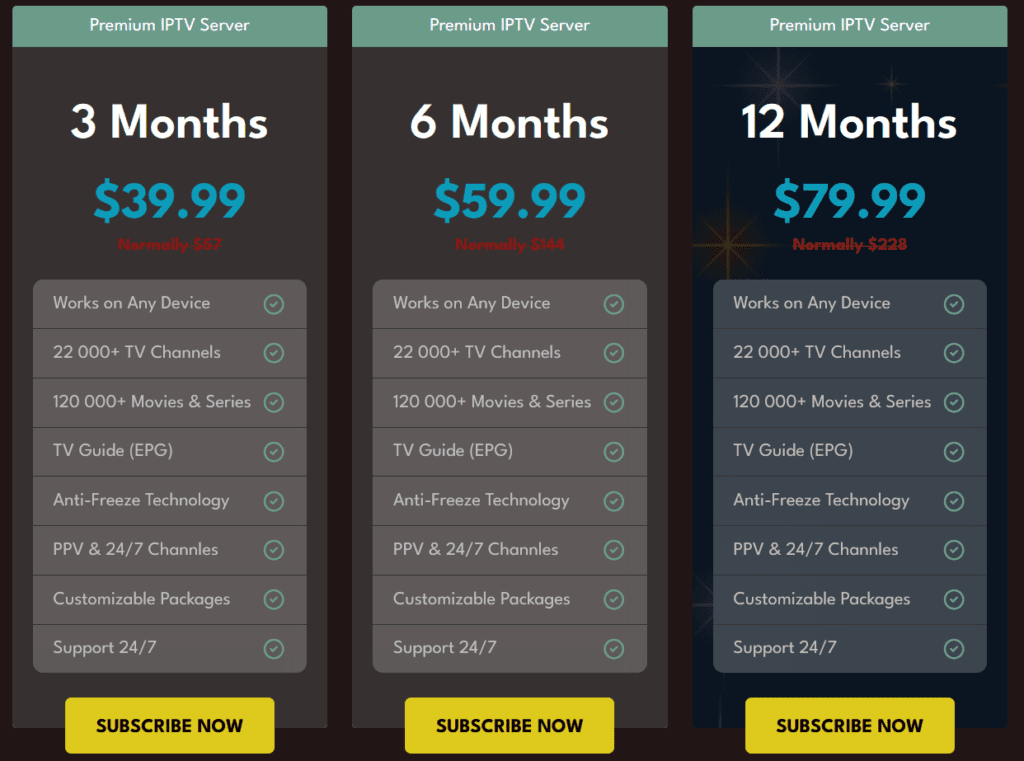

Explore the Best IPTV Service with Global Channels – Watch Thousands of Live TV Channels, PPV Events, Movies, & TV Shows Anytime, Anywhere.
© 2011-2026 RoyalPPV, All rights reserved
